Why Cutting Off the Top of a Tree Often Backfires
What topping a tree really means
Topping is the practice of cutting off the top of a tree’s main trunk or sawing back large branches to stubs. It is sometimes called “heading” or “lopping.” Homeowners may ask for it to reduce a tree’s height, keep it away from the roof, or make it look neater after a storm. The idea seems simple: cut the tall part off and the tree will stay shorter. In reality, topping triggers a chain of problems that can make the tree weaker, uglier, and more dangerous over time.
When a professional tree pruning service advises against topping, it is not because they want to sell a more expensive job. It is because the biology of a tree does not work the way most people expect. A tree is not like a hedge that fills out when you shear it. Cutting off its crown forces it to react in ways that harm its structure and health.
What happens inside a topped tree
A tree stores energy in its branches and trunk. When you remove a large portion of the crown, the tree loses much of its food-making capacity. It also loses the hormones that control where new growth happens. In response, it sends up many weak shoots from just below each cut. These shoots grow fast, but they are attached only to the surface of the old wood, not embedded in the branch collar. They have no strong anchor.
Over the next few seasons, those sprouts become long, heavy limbs that are prone to break in wind or ice. The tree’s crown structure becomes a thicket of upright stems rather than a balanced network of branches. The bark can also be damaged because the large cuts never heal properly; they rot instead. Decay enters the trunk through the exposed stubs and spreads downward, hollowing out the wood that once held the tree upright.
Short-term fix, long-term headache
A topped tree may look manageable for a year or two. Then the rapid regrowth makes it taller than it was before, and the new branches are weaker. The hazard to the house, driveway, or power line is actually greater than it was originally. The tree also becomes more expensive to maintain. Each topping leads to more frequent pruning, because the tree never returns to a stable form.
For a homeowner who simply wants to keep the yard safe, this is frustrating. The money spent on topping buys a temporary result that creates bigger bills later. A better approach is to plan maintenance for overgrown trees before they reach the point where drastic cutting seems like the only option. Regular thinning, crown reduction, and removal of dead branches keep a tree strong without forcing it into emergency regrowth.
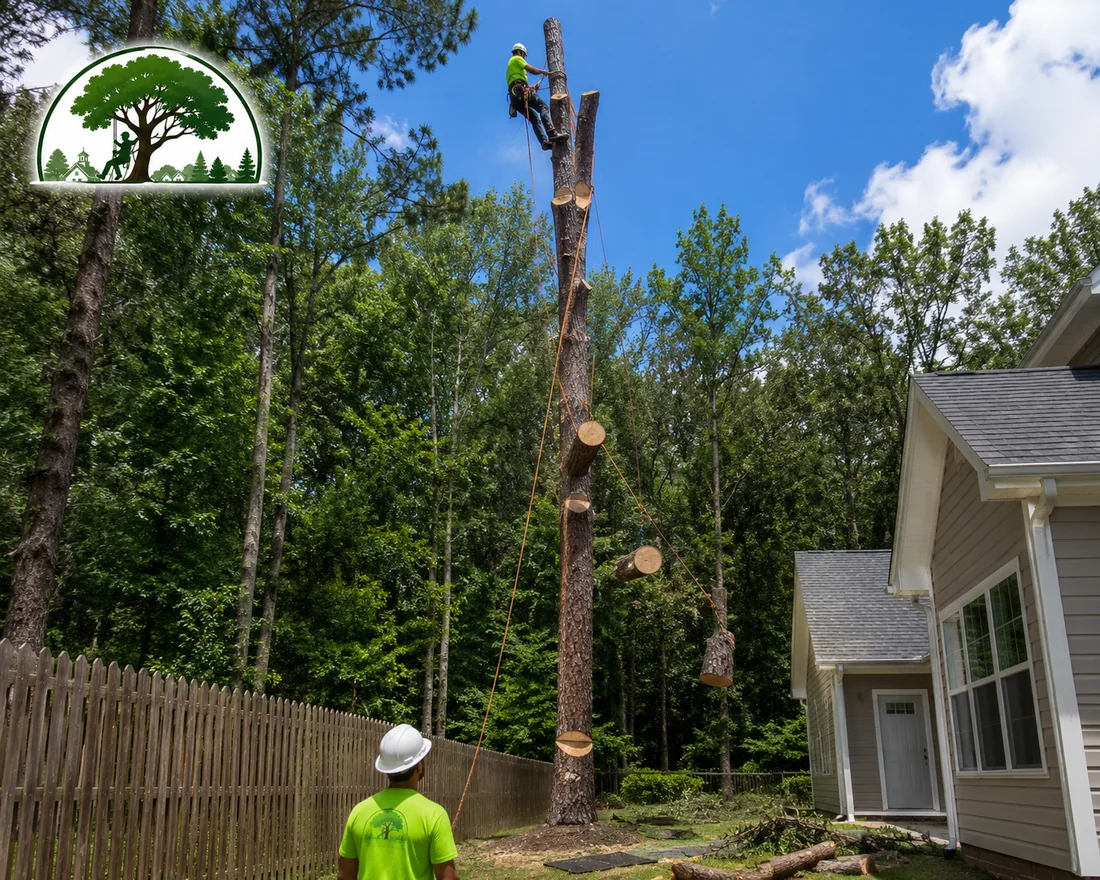
Signs that a tree has been topped in the past
If you have recently moved into a property or inherited trees someone else planted, look for clues of past topping. Common signs include:
- Stubs that are several inches thick with no side branches, often with bark peeled away at the cut.
- A cluster of thin, vertical shoots growing from the end of a large branch or trunk.
- Visible decay, cracks, or peeling bark near the old cuts.
- An unnatural shape, such as a flat top or a lopsided canopy.
If you spot these signs, the tree may need structural pruning over several years to reduce risk. In some cases, removal is the safer choice, especially if decay has entered the main trunk.
Better options than topping
There are several pruning techniques that address the same concerns topping tries to solve, but without the damage.
Crown reduction. This method shortens the overall height of the tree by cutting back branches to a lateral branch that is at least one-third the diameter of the removed section. The cuts are made at the branch collar, and the remaining branch can seal the wound properly. The tree keeps its natural shape and loses less leaf area, so it stays healthier.
Clearance pruning. If the goal is to keep branches away from the roof, a gutter, or a walkway, selective removal of individual limbs is enough. The tree keeps its crown structure and does not need to regrow from stubs.
Thinning. Removing select branches throughout the canopy lets light and wind pass through. This reduces the sail effect that can topple a tree in a storm. Thinning also improves the tree’s overall health by increasing airflow and sunlight to the inner leaves.
Removal of dead branches. Taking out dead or dying limbs is a basic part of tree care. It reduces the chance of falling debris and gives the tree a chance to direct energy to healthy growth.
Each of these methods requires skill and knowledge of tree biology. A professional tree pruning service knows where to cut and how much to remove without harming the tree. They can also tell you whether a tree is too far gone to save.
When removal is the only real option
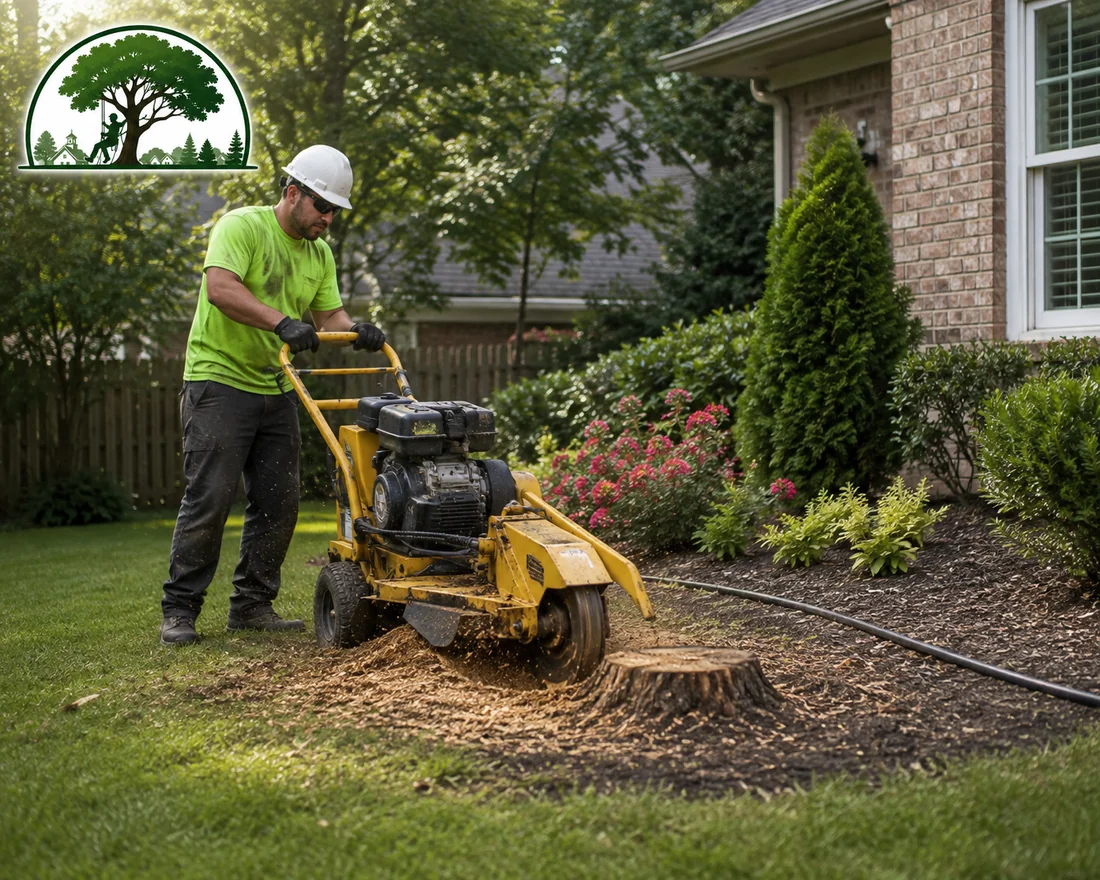
Sometimes a tree has been topped so many times that its structure cannot be restored. Large wounds have rotted, the crown is a mass of weakly attached sprouts, and the trunk is hollow. In that situation, no amount of pruning will make the tree safe. Removal and stump grinding are the practical choice. It is hard to let go of a large tree, but leaving a hazardous one in place risks damage to the house or injury to someone in the yard.
How to plan ahead
The best time to think about tree care is before a tree becomes a problem. A young tree that receives structural pruning in its first few years will develop a strong trunk and well-spaced branches. As it matures, it needs less corrective work and stays safer in storms. For established trees, an annual inspection by an arborist can catch issues early. A little thinning or removal of crossing branches each year prevents the need for drastic measures later.
If you already have trees that are overgrown or have been topped in the past, start with a professional assessment. An arborist can recommend a plan of maintenance for overgrown trees that spreads the work over several seasons. This gradual approach lets the tree adjust and keeps the yard safe without shocking the tree all at once.
What to ask before hiring a tree service
Not every company that advertises tree work follows good practices. Some still top trees because it is fast and customers ask for it. Before you hire anyone, ask a few questions:
- Do you follow the standards of the tree care industry for pruning cuts?
- Can you show me examples of crown reduction or thinning you have done?
- Will you cut branches back to a lateral branch, or do you leave stubs?
- Do you have insurance and proof of training?
A company that answers clearly and explains why they avoid topping is likely one that cares about long-term tree health, not just a quick paycheck.
The bottom line
Topping may seem like a fast answer to a tall tree, but it creates more work, more risk, and more expense down the road. The tree responds with weak growth, decay, and an unstable shape. Understanding what happens inside a topped tree helps you make a better choice for your yard. Whether you need clearance pruning, structural pruning, or removal of dead branches, a knowledgeable tree service can help you keep your trees strong and your property safe without resorting to a shortcut that backfires.